
Photo by Vienna Reyes on Unsplash
The World Cup only comes around every four years — and World Cup 2026, the first 48-team edition spanning 16 cities across the USA, Canada, and Mexico, will not come around again at all. June 11 to July 19, 2026, and then it is gone. The ticket is the hardest part. Miss your sale window and every other piece of planning becomes exponentially harder. Get it right and the rest — flights, hotels, visa — follows a clear sequence that our World Cup 2026 trip planning checklist can walk you through in an afternoon. This guide covers everything: when sales open and how each phase works, the complete price list by category and round, and the exact step-by-step process for buying through the only legitimate platform — FIFA's official site at fifa.com/tickets. The most important action is the same regardless of where you start: register on fifa.com/tickets now, before the next sale window opens.
World Cup 2026 is the first 48-team tournament, producing 104 matches across 16 host cities. For fans trying to secure a live match, that is more inventory than ever before — particularly in the expanded group stage and new Round of 32. The expanded format is genuinely good news for ticket buyers: more group stage matches mean more ballot opportunities and, historically, better availability in later sale phases.
Source: FIFA.com World Cup 2026 official format

Photo by Eric Rothermel on Unsplash
World Cup 2026 Ticket Sale Dates: Every Phase Explained
FIFA does not sell all World Cup 2026 tickets at once. Sales run in structured phases across several months — understanding how each phase works is what separates fans who get tickets from fans who miss every window.
Phase 1 — The Ballot (Most Important Phase for High-Demand Matches)
The ballot is FIFA's primary allocation mechanism for the most sought-after World Cup 2026 fixtures. During a ballot window, fans register their interest in specific matches and submit their preferred ticket category. FIFA then randomly allocates tickets from all valid entries after the window closes. This is the most important phase to participate in because it is the only way to access tickets for the most competitive fixtures — host-nation matches, semi-finals, and the Final. The timing of your submission within the ballot window does not affect your chances: all valid entries submitted before the closing time are treated equally in the random draw. What matters is submitting before the window closes and selecting multiple matches to maximise your overall allocation probability. Phase 1 ran in mid-2025 for most match categories — check fifa.com/tickets for the status of any remaining ballot windows.
- How it works: register interest in specific matches and categories during the open window; FIFA allocates randomly after close
- Timing advantage: none — submit any time before the window closes; earlier submissions carry no priority
- Best strategy: enter ballots for 5–6 matches across different host cities and categories — more entries = better overall chances
- Result notification: successful applicants are notified by email with a payment window (typically 72 hours to complete purchase)
- Unsuccessful applicants: your chosen matches re-enter the pool for subsequent sale phases — you are not permanently excluded
Phase 2 — First-Come-First-Served Sales
After the ballot, FIFA releases remaining unsold inventory in a first-come-first-served format. Unlike the ballot, speed matters here — popular matches and preferred categories can sell out within minutes of a phase opening. First-come-first-served phases typically cover the widest range of available inventory and are where most fans who missed the ballot secure their tickets. Being logged into your FIFA account and ready to select matches at the exact moment a phase opens is the critical success factor. Phase 2 opened in late 2025 — check fifa.com/tickets directly for any remaining first-come windows that may still be available.
- How it works: matches and categories go live at a set date and time; first to complete payment secures the ticket
- Speed is critical: have your FIFA account logged in, payment method pre-saved, and target matches identified before the opening time
- Set an alarm: phases open at specific times — being 5 minutes late can mean missing your preferred match or being forced into a less desirable category
- Best strategy: have a priority list (1st, 2nd, 3rd choice matches) ready — if your first choice sells out before you complete checkout, move immediately to your second
Phase 3 — Last-Minute and Tournament-Period Sales
FIFA consistently releases additional ticket inventory in the weeks leading up to the tournament and during it — covering returned tickets, no-show allocations, and inventory held back from earlier phases. This is the least reliable path to a ticket but it exists and has produced genuine opportunities at every recent World Cup. For fans who have missed earlier phases or are flexible on which match they attend, keeping FIFA.com notifications active during May and June 2026 can still result in a match day ticket. Expect limited category choices and higher remaining prices in this phase.
- When: typically 4–8 weeks before the tournament starts, and throughout the group stage for later-round matches
- What's available: returned tickets, Category 3 inventory, some Category 2 — rarely Category 1 for popular matches
- Supporter Tickets (Category 4): national football associations release their allocations in waves — follow your national FA's official channels for codes and windows
Phase 4 — FIFA Official Resale Platform
FIFA operates an official ticket transfer and resale mechanism for fans who have purchased tickets and can no longer attend. This is the only legitimate secondary market for World Cup 2026 tickets. Prices on the official resale platform are capped relative to face value — this is not a scalper market. If you are looking for a last-minute ticket and all primary sale phases have closed, the FIFA official resale platform (accessible through your fifa.com/tickets account) is the only safe source. Any other resale platform — Viagogo, StubHub, social media sellers — carries a high risk of counterfeit tickets or personalisation mismatch at the gate.
- How it works: original purchasers list their tickets for transfer; buyers purchase at a regulated price
- Safety: the only legitimate secondary market — all other resale is at your own risk
- Access: through the same fifa.com/tickets account used for primary purchases
Phase 2 and Last-Minute Windows Are the Last Routes In
As of February 2026, Phase 1 ballot allocations are complete and Phase 2 first-come-first-served sales have run for most match categories. Remaining ticket inventory — including any late-release windows, Supporter Ticket allocations, and official resale listings — should be checked directly at fifa.com/tickets. Set your FIFA account notifications to ON so you are alerted immediately when new inventory becomes available.
World Cup 2026 Ticket Prices: Complete Price List by Category and Round
World Cup 2026 ticket prices are set by FIFA and vary by match round (group stage through Final), seat category (1–4), and whether a match involves a host nation (USA, Canada, or Mexico). Here is the complete price structure.
What Each Ticket Category Actually Gets You
Ticket categories are not just about price — they determine your physical position inside the stadium, which directly impacts your viewing experience. Understanding what you are buying is as important as knowing what it costs.
- Category 1: The best seats in the venue — central lower tier, between the 18-yard boxes, optimal camera angle for following the match. Maximum sightline quality. These seats cost the most and sell the fastest.
- Category 2: Side stand mid-tier seating — still excellent views, slightly wider angle than Category 1. The best value category in terms of experience-to-price ratio. We recommend Category 2 as the default for most first-time World Cup attendees.
- Category 3: Upper tier, corner, and behind-the-goal positions. The atmosphere in Category 3 behind the goal is often the loudest in the stadium — supporter groups congregate here. Sightlines for diagonal runs are limited but the raw noise and energy can be extraordinary.
- Category 4 (Supporter Entry): The most affordable option, but not available for general purchase. Allocated only to fans of qualified nations through their official national football associations. Check your national FA's website for allocation windows and eligibility codes.
How Much Does a Full World Cup 2026 Trip Cost?
The match ticket is typically not the largest expense in a World Cup trip budget — accommodation and flights often exceed the ticket cost, especially for multi-city itineraries or fans travelling from outside North America. For a 5-day trip built around two group stage matches, budget $2,500–$6,000 per person, covering flights ($600–$1,500), accommodation ($150–$450 per night depending on host city), two Category 2 group stage tickets ($260), food and transport ($70–$120 per day), and travel insurance ($75–$150). See our full World Cup 2026 cost and budget breakdown for city-by-city estimates.
- Budget trip (2 group stage Category 3 tickets, shared accommodation): $1,500–$3,000 per person
- Mid-range trip (2 group stage Category 2 tickets, 3-star hotel, 5 days): $3,000–$6,000 per person
- Premium trip (Quarter-final/Semi-final Category 1 tickets, 4-star hotel): $6,000–$12,000 per person
- Final at MetLife (Category 1): add $2,735 per ticket, plus $350–$600/night New York accommodation
| Round | Category 1 | Category 2 | Category 3 | Category 4 (Supporter) |
|---|---|---|---|---|
| Group Stage (non-host nation) | $190 | $130 | $80 | $55–$75 |
| Group Stage (host nation — USA, Canada, Mexico) | $310 | $210 | $130 | Via national FA only |
| Round of 32 | $260 | $175 | $110 | N/A |
| Round of 16 | $380 | $260 | $165 | N/A |
| Quarter-Finals | $620 | $420 | $250 | N/A |
| Semi-Finals | $920 | $620 | $370 | N/A |
| Third Place Play-Off | $435 | $295 | $185 | N/A |
| The Final (MetLife Stadium, July 19) | $2,735 | $1,235 | $735 | N/A |
Protect Your Ticket Investment Before Booking Anything Else
A group stage Category 2 ticket is $130–$210. A semi-final Category 1 ticket is $920. Add flights and accommodation and you are protecting a $3,000–$8,000 investment from a single missed flight, medical emergency, or passport issue. Travel insurance for a 2-week World Cup trip costs $50–$150 — a fraction of what you stand to lose without it. Buy it before you make any further non-refundable bookings.
Ticket Confirmed? Book Your Hotel Before Prices Surge
The moment your World Cup 2026 ticket payment clears, book your accommodation. Host city hotels within 20 minutes of major stadiums are already at 60–70%+ occupancy for June and July peak match dates — and prices rise every week. Lock in free-cancellation rates now and adjust later if plans change.

Photo by Andras Vas on Unsplash
How to Buy World Cup 2026 Tickets: Step-by-Step
The buying process through FIFA's official platform has specific steps that first-time purchasers routinely stumble on — particularly around account verification, the ballot submission window, and the payment deadline after allocation. Here is the exact process.
Step 1: Create and Verify Your FIFA Ticketing Account
Visit fifa.com/tickets and register a personal account using your legal name exactly as it appears on your passport or national ID. This is non-negotiable — tickets are personalised and your name will be verified at the stadium gate. Any mismatch between your ticket name and your ID is grounds for denied entry. Verify your email address immediately after registration — unverified accounts cannot access ballot or purchase phases. Enable all FIFA notifications (email and app) so you are alerted to phase openings, ballot results, and last-minute inventory releases.
- Go to fifa.com/tickets and click 'Create Account'
- Use your legal name exactly as on your passport — no nicknames, no abbreviations
- Verify your email immediately — check your spam folder if the confirmation email does not arrive within 5 minutes
- Add your payment method in advance so checkout is as fast as possible during first-come-first-served phases
- Enable all notifications — email, app, and SMS where available
Step 2: Enter Ballot Phases for Your Target Matches
During an open ballot window, navigate to the match selection page and add your chosen matches to your request. Select your preferred category for each match — Category 2 is the best starting point if you are unsure. Submit your request before the ballot window closes. The single most common ballot mistake is selecting only one or two matches — this dramatically reduces your overall chances. Select 5–6 matches across different host cities, different matchdays, and different category preferences. You are not committed to attending all of them — you will only be allocated seats (and charged) for what FIFA assigns you.
- Select 5–6 matches during the ballot window — more selections = better allocation probability
- Vary your selections: different host cities, different match days, different categories
- Do not limit yourself to your national team's specific fixtures — the group stage draw may not be finalised at the time of the ballot
- Check the submission deadline carefully — missing it by even a few minutes means missing the phase entirely
Step 3: Respond to Your Allocation and Complete Payment
If your ballot is successful, FIFA sends an email notification with a payment link and deadline — typically 72 hours from allocation notification. Do not ignore or delay this email. The payment window is a hard deadline: lapse it and your allocation is cancelled and returned to the inventory pool. During first-come-first-served phases, you go directly from selection to payment in a single session — no waiting period. Complete the transaction in one sitting and have your credit or debit card ready before you start.
- Check your email within 48 hours of a ballot closure for allocation results
- Payment deadline after ballot allocation: typically 72 hours — treat this as urgent
- Accepted payment: major credit and debit cards (Visa, Mastercard widely accepted); PayPal availability varies by phase
- Booking fees: FIFA typically charges a small booking/service fee per ticket — factor this into your budget
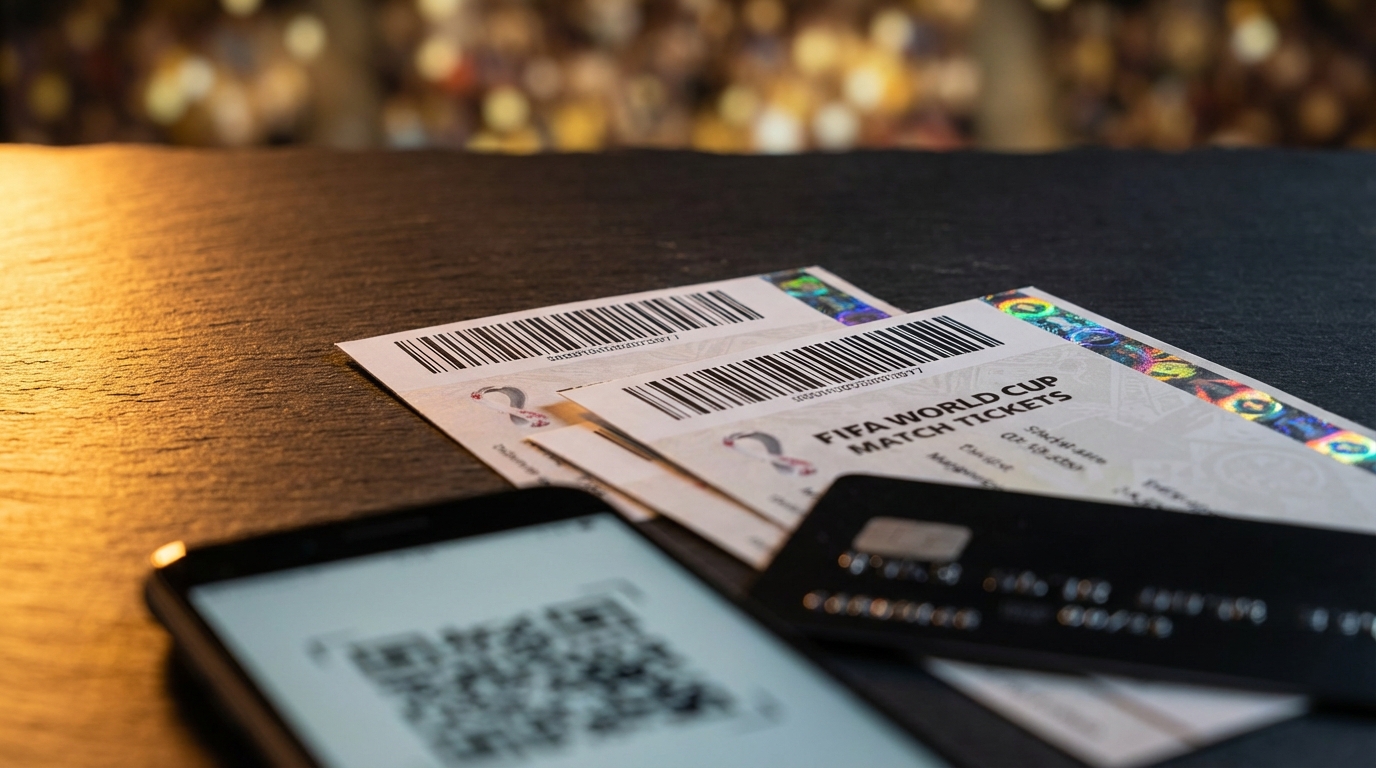
- Ticket delivery: electronic tickets delivered to your FIFA account and registered email as a downloadable QR code
Step 4: Manage and Transfer Your Tickets
All World Cup 2026 tickets are managed through your FIFA account after purchase — this is where you access your electronic tickets, assign them to other individuals (for tickets bought for friends or family), and request transfers if you can no longer attend. If you purchased tickets for friends, assign them to the correct person's FIFA account before the match. Each ticket holder needs the ticket in their own account or accessible via their own FIFA app on match day — do not assume everyone can use a screenshot sent via WhatsApp.
- Access your tickets at fifa.com/tickets under 'My Tickets'
- Assign tickets to other individuals through the platform — each person needs their own FIFA account
- Transfer rules: official transfers are only possible through FIFA's platform — transferring outside the platform voids the ticket
- Download your ticket as a QR code and screenshot it — have an offline copy in case mobile signal at the stadium is unreliable

Photo by Unsplash on Unsplash
How to Avoid World Cup 2026 Ticket Scams
Counterfeit and fraudulent ticket selling is documented at every World Cup — and it is getting more sophisticated. Fake tickets often look completely real to the human eye. They only fail at the stadium's digital gate scanner. By the time you find out, you are outside a sold-out stadium with no recourse.
The Only Legitimate Ticket Sources
There is precisely one place to buy genuine World Cup 2026 tickets: fifa.com/tickets. FIFA has no authorised third-party ticket agents, no approved resale platforms beyond their own official transfer system, and no relationships with ticket exchange websites. Category 4 (Supporter) tickets are the one exception — these are distributed through national football associations (your country's FA or Football Federation), not directly through FIFA's platform. If you are eligible for Supporter Entry, you will receive a code or link from your national FA directly.
- LEGITIMATE: fifa.com/tickets — all primary sale phases
- LEGITIMATE: FIFA's official resale/transfer platform — linked from fifa.com/tickets
- LEGITIMATE: your national football association — for Category 4 Supporter Entry only
- NOT LEGITIMATE: Viagogo, StubHub, Ticketmaster resale, Facebook Marketplace, WhatsApp groups, Telegram channels, any street seller outside the stadium
Red Flags That Signal a Scam
Fraudulent ticket sellers have become very good at appearing legitimate. Here are the patterns that consistently appear across World Cup ticket scams — if you encounter any of these, walk away immediately.
- Seller claims to 'have connections at FIFA' or to offer tickets 'direct from the tournament organisers' outside the official platform — FIFA does not work this way
- Price significantly above or below face value — below face value often indicates the ticket does not exist; above indicates illegal scalping
- Request for payment via bank transfer, cryptocurrency, Western Union, or gift cards — all are unrecoverable if the tickets are fraudulent
- Tickets delivered as image files only, with no FIFA account verification or transfer — real tickets are managed through your FIFA account, not sent as JPEGs
- Seller unable to show the ticket in a verified FIFA account — ask to see the listing in their FIFA account before any money changes hands
- Urgency pressure: 'another buyer is interested', 'this offer expires in 1 hour' — classic pressure tactics used in every major ticket fraud
Thousands of Fans Are Turned Away at World Cup Gates Every Tournament
At Russia 2018 and Qatar 2022, documented cases of fans presenting counterfeit tickets and being denied entry numbered in the thousands. Some had paid $500–$2,000 for tickets that never existed or had already been used. FIFA does not compensate victims of ticket fraud outside their platform. The only protection is buying exclusively at fifa.com/tickets — if the ticket did not come from there, it is not guaranteed.
World Cup 2026 Ticket Buyer's Complete Checklist
Every action below has a specific reason — and they are listed in the order they need to happen. Work through them sequentially. The steps that come first are dependencies for the steps that follow.
Insure Before You Book Anything Else
The moment your ticket payment clears, your World Cup 2026 investment is real money at risk. Before you book flights, hotels, or airport transfers — buy travel insurance. Medical emergencies in the USA can cost $50,000–$200,000 without coverage. A cancelled flight without insurance means losing non-refundable bookings. VisitorsCoverage covers medical, cancellation, and travel disruption — a 2-week policy typically costs $50–$150. Get a quote in under five minutes.
The One Piece of Ticket Advice Most First-Timers Miss
When fans tell us they tried to get World Cup tickets but missed out, almost every case comes down to the same mistake: they applied for one or two specific matches — usually their nation's group stage fixtures — and treated the ballot like a targeted purchase rather than a numbers game. The ballot is random allocation. Your chances of being allocated any single match are statistically modest. Your chances of being allocated at least one match across six entries are significantly better. The most successful first-time World Cup ticket buyers treated the ballot like a scattershot: applied for everything reasonable, accepted whatever came back, and then built their travel itinerary around what they got — rather than trying to engineer the ticket around a pre-decided trip. One group stage match in Houston at a reasonable price beats watching from a bar at home.
World Cup 2026 Tickets: Frequently Asked Questions
Your Ticket Is the Starting Line — Everything Else Follows
The World Cup 2026 ticket is the hardest part. Once it is confirmed, the rest of the planning has a logic to it — flights, accommodation, visa, packing, match day — and each step makes the next one clearer. The fans who regret not going are almost universally the ones who waited too long on the ticket, missed the window, and spent the tournament watching from home while their feeds filled with people who planned ahead. If you have a ticket, start on the rest immediately — flights and hotels are rising in price every week. If you are still searching, keep your FIFA account notifications on and check back regularly — last-minute inventory releases are real and have saved trips that looked impossible.
Stay connected across all 16 host cities — no roaming fees
Attending matches in multiple cities? An eSIM lets you activate local data before you land with no physical SIM swap required. Airalo covers 200+ countries with instant digital delivery.
63% Off NordVPN — World Cup Travel Deal
Fan zones, airports, and stadium concourses run shared public Wi-Fi — the same networks scammers use to intercept ticket logins, banking apps, and travel accounts. NordVPN encrypts your connection instantly. New signups currently get up to 63% off + 3 extra months free. Takes 2 minutes to set up before your trip.